abdullah-all-noman
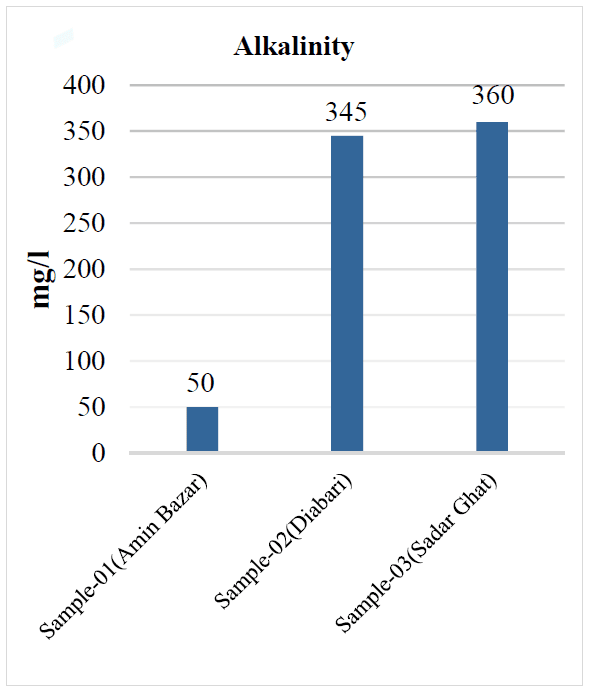
The Buriganga and Turag rivers are two of the major water bodies surrounding Dhaka City, the capital of Bangladesh. The rivers have been suffering from various hazardous discharges from various points and non-point sources such as industrial effluents, municipal and solid waste. The physicochemical water quality parameters are a major concern for these rivers. In this study, water quality parameters such as pH, turbidity, dissolved oxygen (DO), alkalinity, total solids (TS), total dissolved solids (TDS), total suspended solids (TSS) and chloride was compared with the standard permissible limits by conducting a series of laboratory tests. Samples collected from several points of the both rivers, Specifically, Amin Bazar, Diabari Ghat and Sadar Ghat were the location of this current study. It was observed from the findings that the Turbidity (16.99–38.7 NTU), TSS (20–100 mg/L) and chloride levels in the sample water exceeded recommended standards. The DO levels (3.0–3.7 mg/L) were considerably below the acceptable range according the standards. The overall findings showed substantial degradation of pH and TDS levels although their values were found within the permissible limits. There are a varied number of aquatic life communities on these water bodies who are heavily dependent on it and the findings indicate there are significant risks due to pollution. The study recommends the application of effluent treatment plants (ETPs) to enhance wastewater management to mitigate these issues. Furthermore, the potential of surface water from rivers and ponds as a practical replacement for groundwater warrants further investigation.
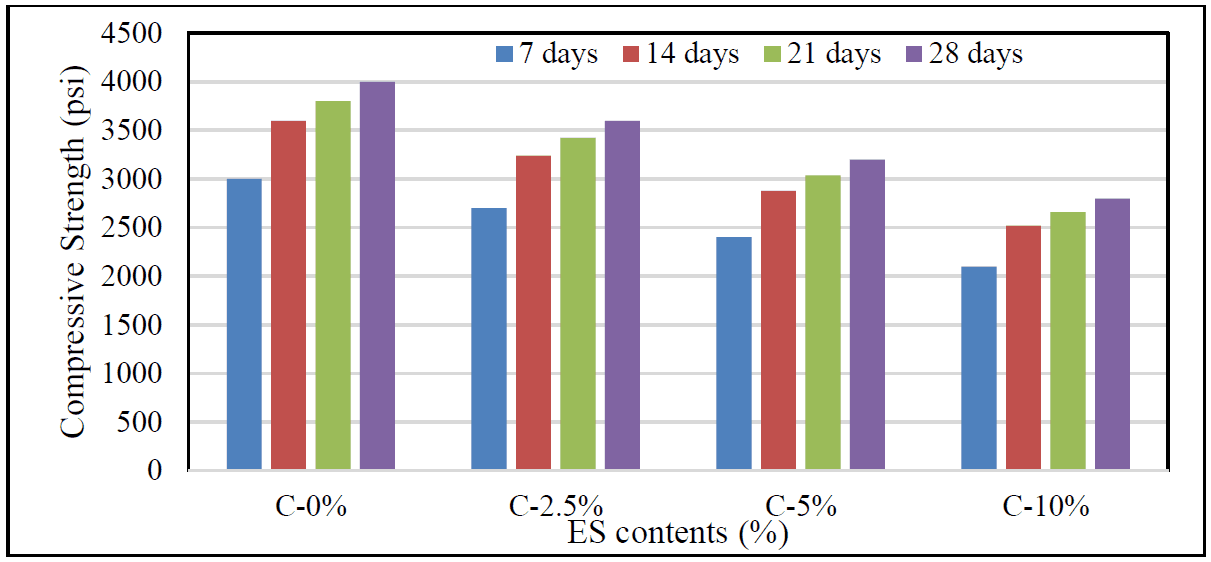
Concrete is now the most widely used construction material and its production has exceeded the number of all other building materials combined because of rapid infrastructural development. This study presents an investigation into the use of eggshell powder as a partial replacement of cement in concrete: an effort to positively impact the cost reduction and environmental issues within construction. In the analysis, eggshell powder (ES) is used as 2.5%, 5%, and 10% of alternative material to Ordinary Portland Cement (OPC) in a mixture of concrete and the compressive strength of the concrete at different curing periods of 7, 14, 21, and 28 days is examined. The findings indicated a reduction in compressive strength as the substitution level of eggshell powder increased and the 10% replacement mix had been clearly associated with a significant decrease in strength. However, lower admixture replacements (2.5% and 5%) yielded enough strength for low strength uses. The specific gravity of the concrete decreased with the use of eggshell powder. It can be used for lightweight applications, such as paving blocks and temporary structures. This study also explored the economic and environmental benefits in Bangladesh of using eggshell powder, showing that it could reduce construction costs by saving up to 1.156 billion taka in cement expenses, while also reducing the environmental impact by recycling 115,600 tons of eggshell waste per year. This paper shows the potential of eggshell powder as an eco-friendly and low-cost cement replacement to aid in resource sustainability and environmental protection from waste disposal, advocating sustainable construction.